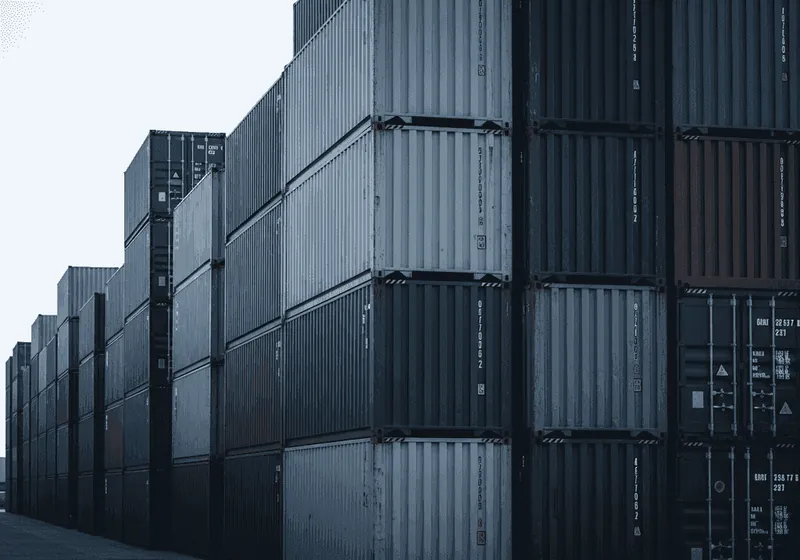
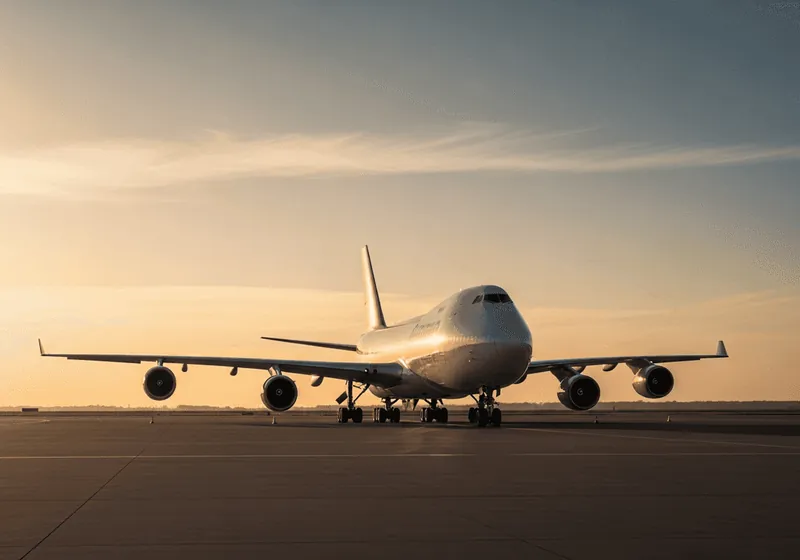
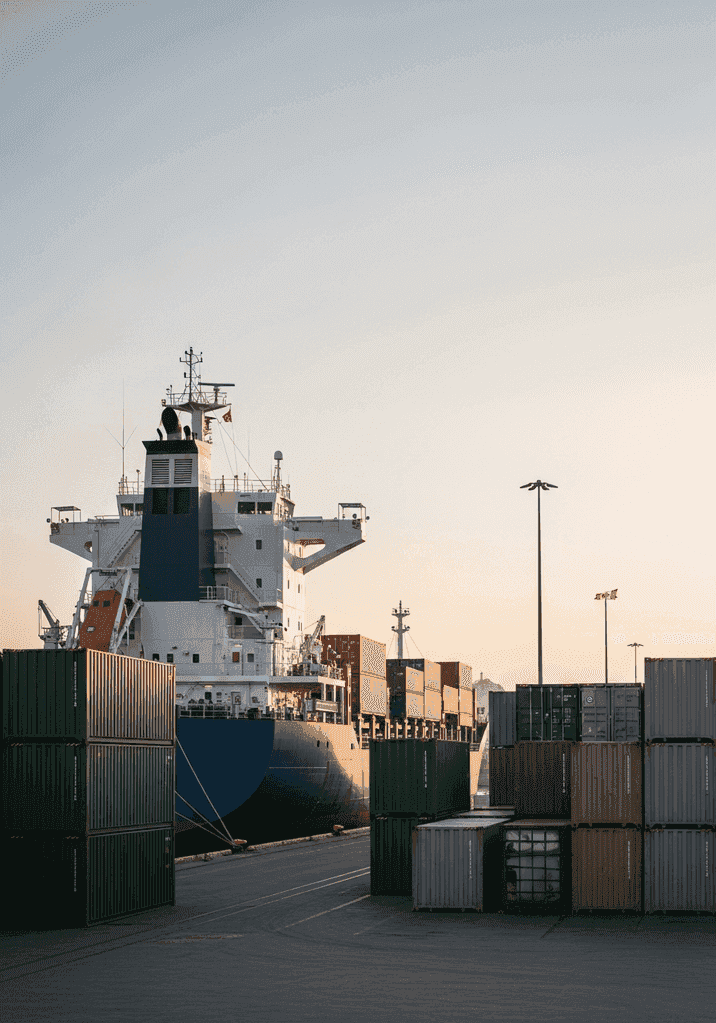
Three stages to landed goods
Importing from China follows the same path as any commercial import — the difference is in the details we watch for.
Set up your import accounts
Get a Business Number with an RM import account from the CRA and register in the CARM Client Portal. You will also need to post financial security before goods can be released prior to payment.
Classify and cost your goods
Every product needs an HS tariff code, a country of origin, and a value for duty. This determines your duty rate, whether any surtax or anti-dumping duty applies, and your total landed cost.
Ship, clear, and pay
Your supplier ships under agreed Incoterms, we transmit release data to CBSA before arrival, your goods clear, and duties and GST are accounted for on your monthly CARM statement.
The things that decide what you actually pay
Get these right before your supplier ships and you avoid the most common — and most expensive — mistakes.
Tariff classification
Chinese goods almost always enter under Most-Favoured-Nation (MFN) tariff treatment. The exact HS code sets your duty rate, so getting classification right is the single biggest factor in what you pay.
Surtaxes on steel & aluminum
A 25% surtax applies to steel and aluminum that contain Chinese-origin metal — even when the goods ship from another country — and you now need mill test certificates to prove otherwise. (Chinese-made EVs moved to a managed import quota in March 2026, so the old 100% EV surtax no longer applies.)
Anti-dumping (SIMA) duties
Some Chinese products — certain steel, fasteners, and others — are subject to anti-dumping or countervailing duties under the Special Import Measures Act. These can be substantial, so check before you commit.
Valuation and Incoterms
CBSA usually assesses duty on the transaction value. Your Incoterms (FOB, CIF, DDP) decide who pays freight and insurance and affect the value you declare, so agree them clearly with your supplier.
Documentation
You need a complete commercial invoice, a packing list, and a bill of lading. Goods also need correct country-of-origin marking. Missing or vague paperwork is the most common cause of delays.
Marking and product compliance
Beyond customs, your goods may need to meet Canadian safety, labeling, or electrical standards. Confirm requirements with your supplier before production, not after the container lands.
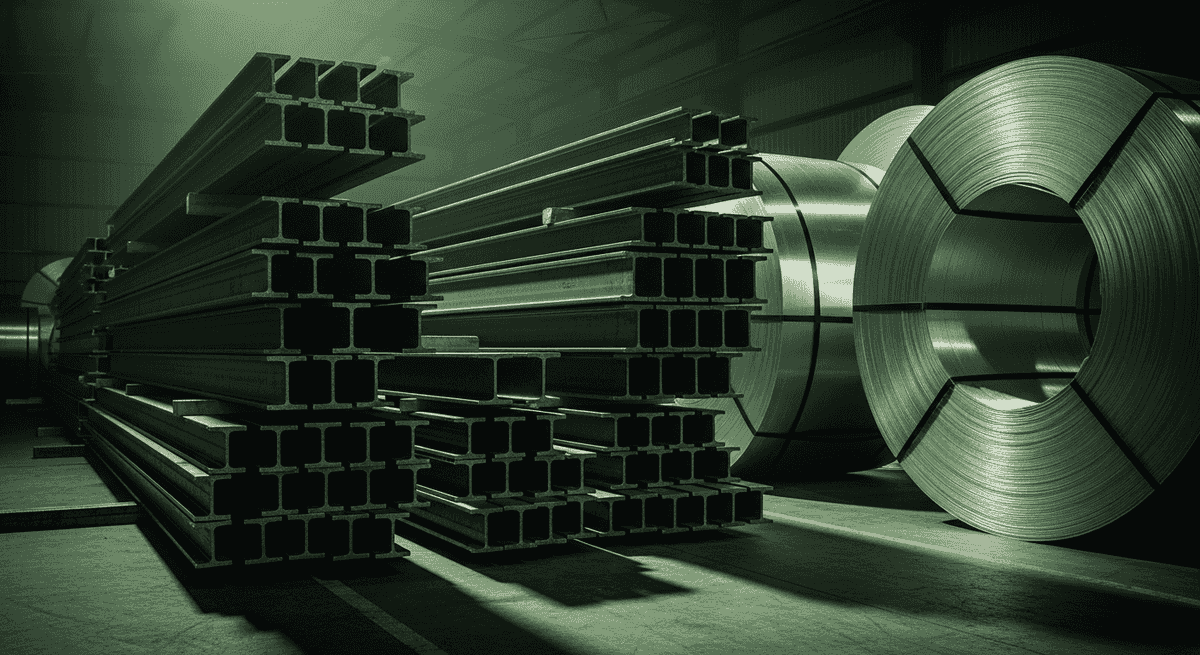
Steel and aluminum still cost more
Canada's 100% surtax on Chinese-made electric vehicles ended on March 1, 2026 — EVs now arrive under a managed import quota at the standard 6.1% tariff, with a permit from Global Affairs Canada. But a 25% surtax still applies to steel and aluminum that contain Chinese-origin metal, even when the goods ship from another country.
To avoid that surtax you now need mill test certificates proving the metal is not Chinese — commercial invoices are no longer accepted. If your goods fall in these categories, we confirm the exact treatment and total landed cost before you order, so there are no shocks when the container lands.

The right HS code saves you money
Two similar products can sit under different tariff codes with very different duty rates. Misclassification either overpays duty or, worse, triggers reassessments and penalties later.
Our brokers classify your goods against current CBSA rules, check for any surtax or anti-dumping exposure, and document the reasoning so your entries stand up to review.
Frequently asked questions
The questions importers ask us most about bringing goods in from China.